
Table of contents
Courtesy of Parc Cientific of Barcelona, we were presented with the unique opportunity to introduce AutoDiscovery to researchers for the first time. This event focused on demonstrating how this software, along with exploratory data analysis, can be instrumental in revealing complex relationships and significantly enhancing the impact of scientific publications.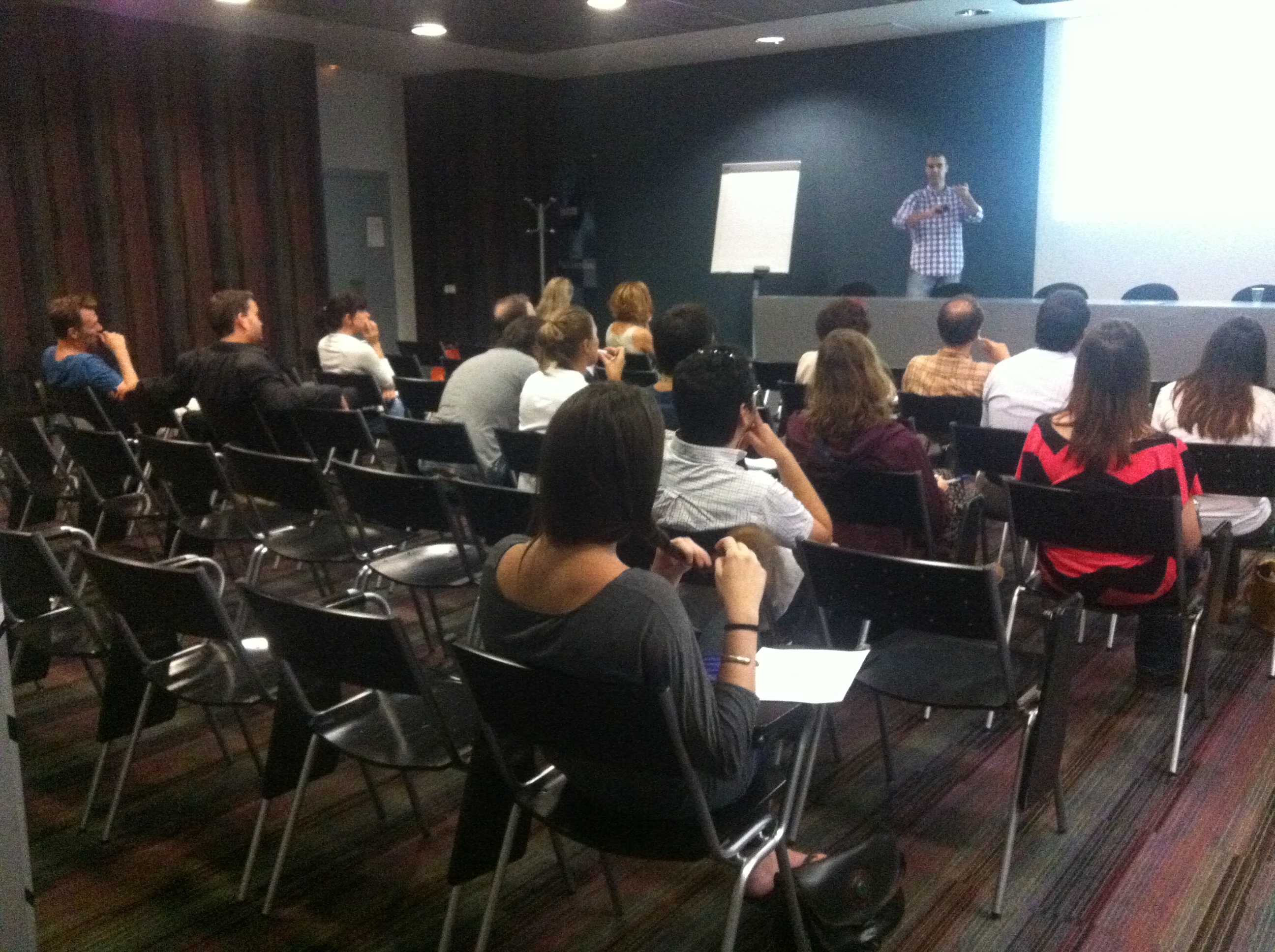
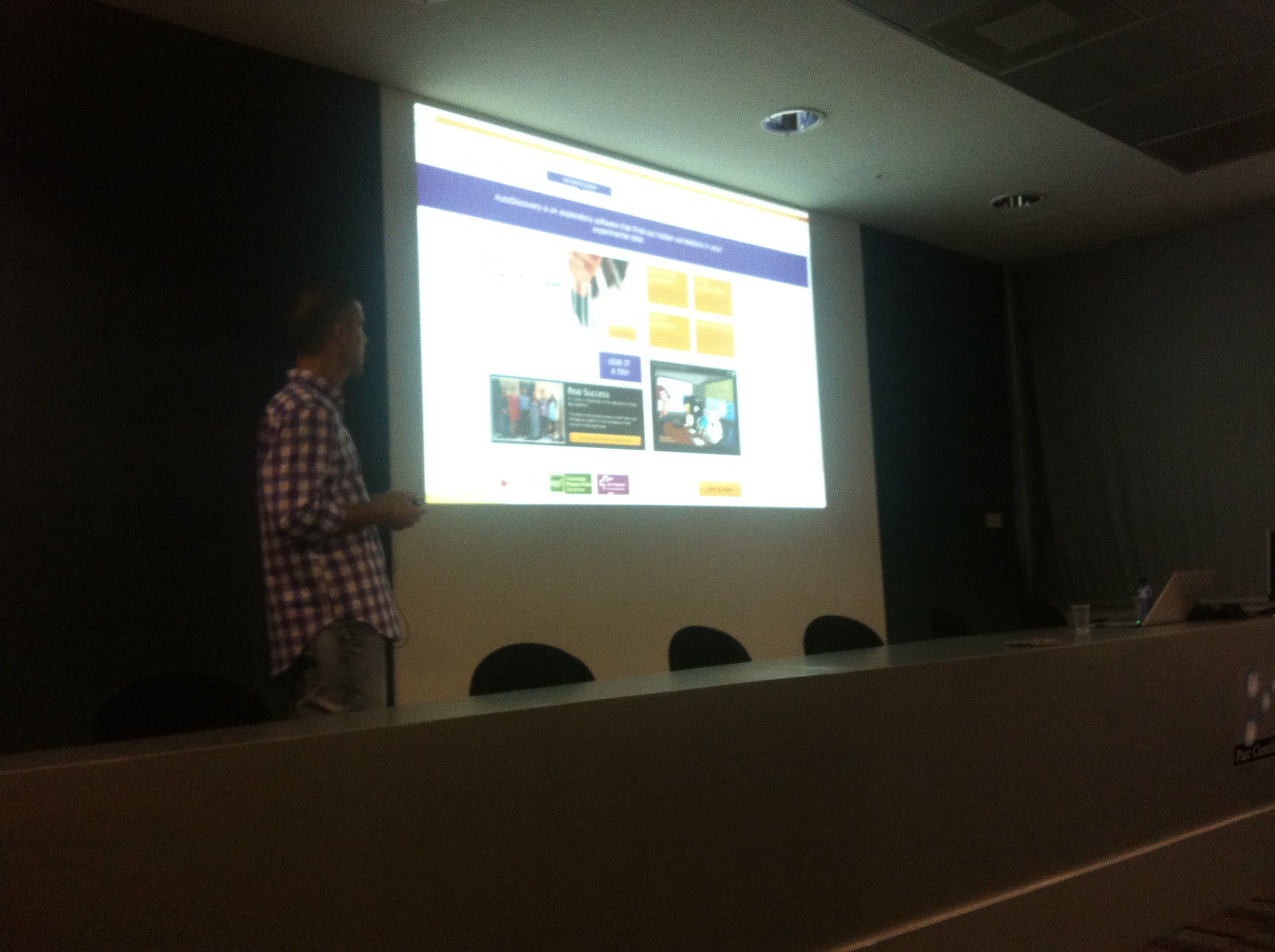
The primary aim of our presentation was to delineate the distinctions between data mining and knowledge extraction. This explanation was anchored in one of the seminal works on the subject, "From Data Mining to Knowledge Discovery in Databases", authored by Fayad, Piatetsky-Shapiro, and Smyth nearly two decades ago.
A pivotal takeaway from this work is that knowledge constitutes the culmination of data-driven discovery. However, I proposed a slight modification:
Knowledge is the end product of a data-driven discovery.
However, I proposed a slight modification:

Showcasing Success
I also elucidated that AutoDiscovery serves as a specialized tool for conducting efficient exploratory research, as evidenced by its successful application in tangible research efforts.
Dr. Trejo's Lab, which delves into both the fundamental and therapeutic facets of new neuron formation in the adult brain, employed AutoDiscovery in their study "Involvement of specific adult hippocampal neurogenic subpopulations on behavior acquisition and persistence abilities" (currently under peer review). The team explored the relationships between task acquisition scores, behavior persistence, and the composition and quantity of various immature neuron subpopulations in the adult murine hippocampus.

AutoDiscovery's challenge was to enhance these findings to facilitate publication in a higher-impact journal. Remarkably, in less than two hours, AutoDiscovery not only verified all correlations identified by the team's extensive research but also uncovered several pivotal correlations that, upon further confirmation, solidified the original hypothesis.
A live demonstration of AutoDiscovery highlighted its capabilities that were instrumental in refining Dr. Trejo's conclusions:
- Automated integration of neurogenic findings with behavioral test data from various Excel files.
- Analysis of variable ratios, which underpinned many key discoveries.
- Automated sorting of results, significantly reducing type II errors and optimizing resource allocation towards the most significant findings.
- Exportation of a relationships table, streamlining the creation of visuals for the final paper.
A Monumental Discovery by Dr. Trejo
Indeed, the findings were not only realized more swiftly than anticipated but were also accepted by a prestigious journal, epitomizing the ultimate aim of AutoDiscovery.
